Fly Line: Optimal Sinking Options for Salmon and Warm Water Species
 Ben Carmichael
 When it comes to fly fishing, selecting the right line can significantly impact your success. Sinking fly line is particularly effective for targeting salmon and other species in both cold and warm water environments. Understanding how to choose the appropriate sinking line for various conditions will enhance your fishing experience and improve your chances of landing a catch.
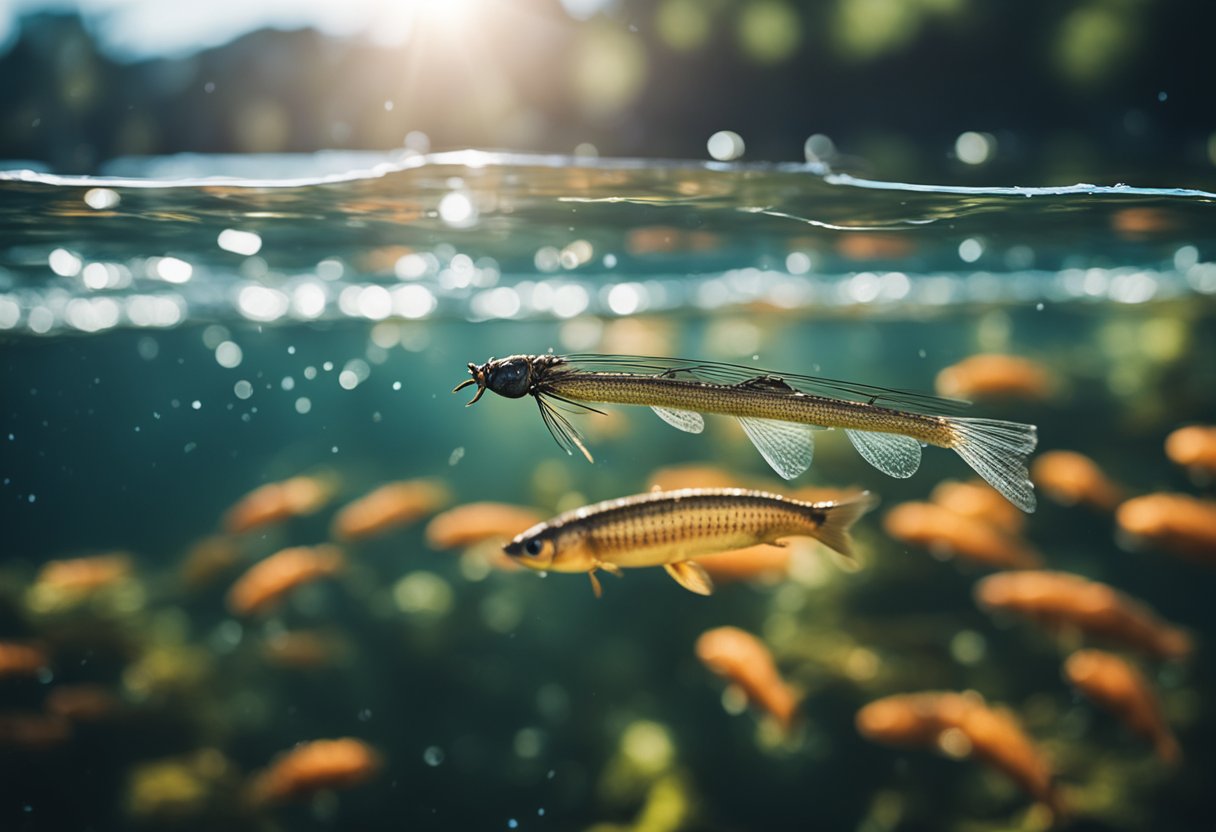
Using sinking fly line allows me to reach depths where fish often hide, especially in colder waters where species like salmon thrive. Additionally, in warmer conditions, choosing the right taper can facilitate effective presentations, ensuring that my flies sink at the desired rate to entice active fish. Mastering these techniques is crucial for any angler looking to maximize their fishing potential.
Windy conditions can present a challenge, but I find that the right sinking fly line can help maintain control and accuracy in casting. Selecting a line designed for turbulence not only improves my casting distance but also ensures that my flies behave as intended in varied water types. By focusing on these key factors, I can tailor my approach and increase my success rate on the water.
Essentials of Sinking Fly Lines
Sinking fly lines are an essential tool for targeting species at various depths. Understanding their types and characteristics can significantly enhance fishing success. Selecting an appropriate sink rate is crucial based on specific fishing conditions.
Types and Features
Sinking fly lines come primarily in two types: full sinking and sink tip lines.
- Full sinking lines are designed to sink the entire length of the line, which is ideal for situations where fish are holding deep.
- Sink tip lines feature a sinking front section and a floating back, allowing for flexibility in presentations.
The sink rate of these lines varies. Ranges can include fast (more than 6 inches per second), medium (3-6 inches per second), and slow (less than 3 inches per second). This variation allows me to choose the right line based on how deep in the water column I want my flies to be presented.
Knowing the characteristics of my line aids in effective streamer fishing and nymphing, especially when targeting cold or warm water species.
Selecting the Right Sink Rate
Choosing the appropriate sink rate depends on several factors: water conditions, target species, and fishing techniques.
When fishing in cold waters, a slower sink rate often works best, as fish are generally less active. Conversely, in warm waters, I may opt for a faster sink rate to reach fish that are holding deeper.
Pay attention to current strength and wind conditions as well. A heavier head on a line can help it cut through the wind and stabilize in challenging conditions.
I often consult sink rate charts to match my line with the desired depth. This ensures that I effectively present my flies within the water column, ultimately increasing my chances of a successful catch.
Strategies for Sinking Line Fishing
Sinking line fishing requires specific techniques to effectively target various species in different water temperatures. I focus on three main strategies: adapting to cold versus warm water conditions and optimizing line performance in windy situations. Each approach enhances my effectiveness on the water.
Sinking Line Techniques for Cold Water
When targeting cold water species, I prefer using a sink tip line. This setup allows me to present my flies at the optimal depth. I typically cast upstream and allow the current to carry the line downstream while maintaining tension.
A slower retrieve is crucial in cold water. Fish metabolism decreases with cooler temperatures, making them less aggressive. I often use a Euro nymphing approach, where I incorporate weighted flies. This technique keeps my offerings in the strike zone longer, increasing my chances of a bite.
Line management is essential. I ensure my rod and reel setup can handle the sinking line’s weight. This balance prevents fatigue and allows for better control over the line in varying currents.
Sinking Line Approaches for Warm Water
In warm water, I adapt my strategy to target more active species. My go-to is a full sinking line that allows for a deeper presentation where fish often hold. I look for structure, such as submerged rocks or vegetation, where fish can hide.
For retrieves, I rely on short, quick strips punctuated with pauses. This mimics the movement of injured prey, enticing warm water fish like bass and panfish. I sometimes switch to dry flies during surface activity, but my primary focus remains on sinking offerings.
Using a heavier head on my sinking line can also enhance my casting distance. It cuts through the wind effectively, ensuring that I reach prime fishing spots without excessive effort.
Optimizing Line Performance in Wind
Wind can significantly impact sinking line fishing. To enhance my casting in these conditions, I favor short, punchy casts that maintain accuracy. This reduces the effect of wind on longer, more delicate deliveries.
I often carry a line management tool, which helps keep the line from tangling. A well-organized setup allows me to concentrate on my technique rather than struggling with line issues.
Choosing the right sink rate for my line is also vital in windy conditions. I select a line that sinks quickly, allowing me to hit the desired depth faster, even with occasional gusts. This approach ensures that I make the most of the time my flies spend in the strike zone, maximizing potential catches.
Gear and Equipment
When selecting gear for fishing with sinking fly lines, it’s crucial to ensure compatibility between your rods, reels, and line. I focus on matching the right components to enhance my fishing experience and maximize effectiveness in various conditions.
Matching Rods with Sinking Lines
Choosing the right rod is essential when using sinking fly lines. I prefer rods with a fast action or medium-fast action, as they provide better control and accuracy. The taper of the rod should complement the sinking line’s weight; I typically select a rod that matches the line weight for optimal performance.
For shorter casting distances, a shorter rod (8-9 feet) works well, while longer rods (9-10 feet) are suitable for extended casts. I also pay attention to the line management, ensuring my rod has appropriate guides to prevent tangles and wear on the sinking line.
Reels and Line Capacity
The reel is critical for managing sinking lines effectively. I look for reels with a good line capacity, as sinking lines tend to have larger diameters. A reel that can hold at least 200 yards of backing is often necessary, especially for larger salmon or other heavy species.
When selecting a reel, I consider a smooth drag system to handle the pressure from powerful fish. The weight of the reel should balance well with the rod, preventing fatigue during long fishing sessions. Additionally, I ensure that my reel’s drag system is suitable for the conditions I’ll face, allowing for seamless line management as I cast and retrieve.
Fishing Techniques and Applications
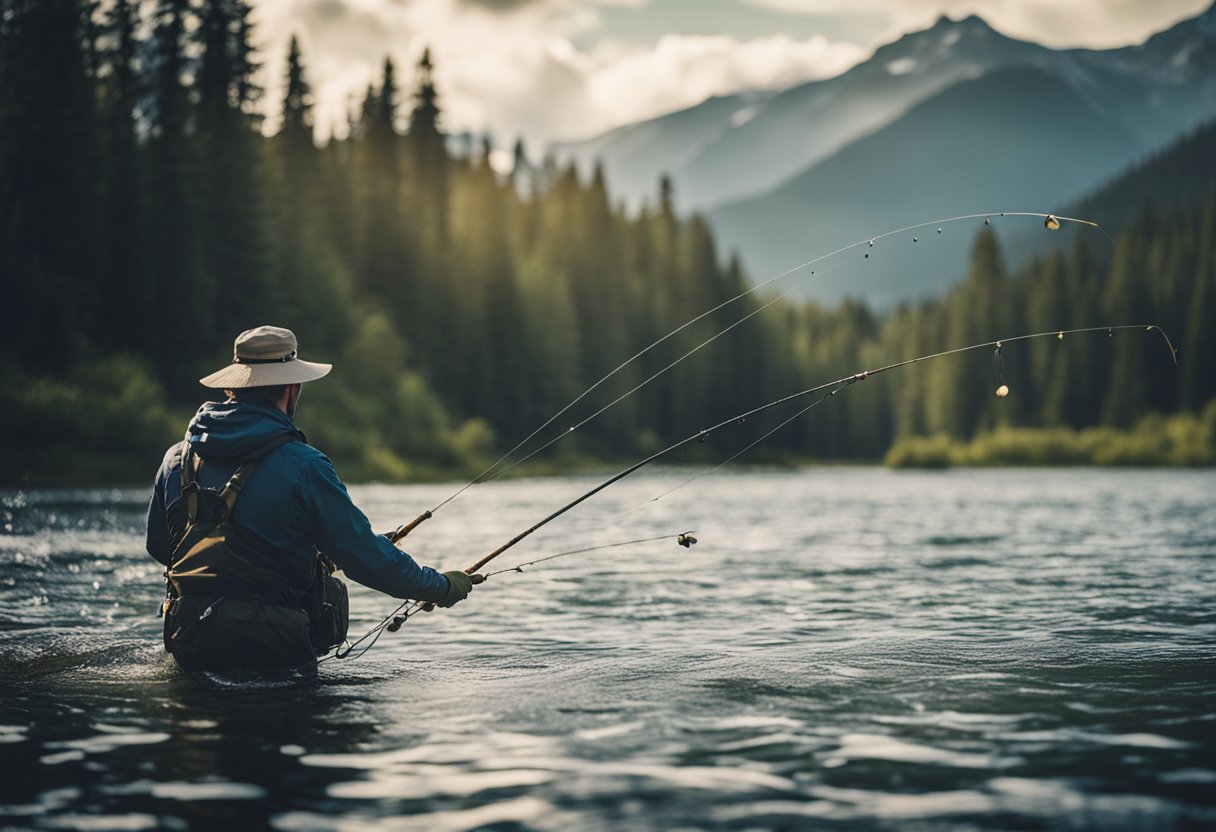
Effective fishing techniques for sinking fly lines vary based on the target species and environmental conditions. Understanding these techniques enhances my success on the water.
Focusing on Freshwater Salmon Fishing
When targeting salmon, I rely on sink tip lines, particularly when fishing in freshwater. These lines allow my flies to reach the optimal depth quickly, where salmon are often holding.
Using a Scientific Anglers Sonar Titan, I can manage varying speeds and depths. I prefer a sink tip line with a 5- to 8-foot sinking section to achieve a natural presentation while streamer fishing or nymphing.
Key patterns like streamers or weighted nymphs work effectively at different water levels. The right technique often includes short, intentional strips to mimic the movement of prey, enticing salmon to strike.
Adapting to Different Fishing Conditions
Different water conditions require unique adaptations in my approach. In colder waters, I’m more likely to use heavier sinking lines to ensure my flies reach the bottom, where fish are less active.
Conversely, in warmer waters, I may opt for lighter sink tip lines to avoid spooking fish. The clarity of the water also plays a role; in murky conditions, my sinking line helps draw fish in from a distance.
Windy conditions necessitate specific techniques as well. Here, I find that using a double haul cast can help me maintain accuracy and distance despite the wind, allowing my sinking line to enter the water at the desired spot.
By adjusting my techniques and line choices based on these factors, I significantly increase my effectiveness on the water.


